
Honestly, when I first heard about The Period Fellowship (TPF) 2026-28, I thought it might be just another social sector gig. But after going through the information from official posts and community updates, it’s clear this is a pretty unique, hands-on leadership fellowship focused on menstrual, sexual & reproductive health — especially at the grassroots level in Karnataka.
This is the kind of fellowship where you get to work directly with communities, meet government officials at district levels, and contribute to sustainable behaviour change — if you’re into that space.
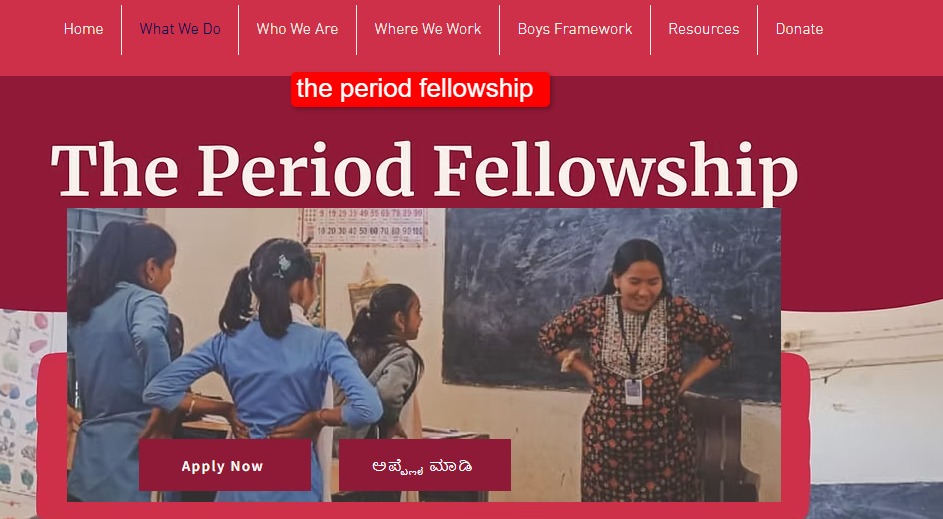
What Is The Period Fellowship (2026-28)?
The Period Fellowship 2026-28 is a 24-month paid leadership and field fellowship run by Uninhibited in partnership with Sukhibhava Foundation and Gramin Vikas Samiti. It’s designed to build leaders who can work on menstrual, sexual and reproductive health education and change behaviours at the district level, mainly across Karnataka, India.
The fellowship is inclusive — it welcomes non-binary, trans, and all people who menstruate. And while there isn’t an official stipend amount publicly shared, fellows are compensated for their work throughout the program.
Important Dates You Should Know
So here’s the timeline that applicants should be aware of, based on what’s been shared online:
Early bird deadline:
-
January 15, 2026 — Early applications close.
Extended application deadline (verified on LinkedIn post):
-
January 31, 2026 — Last date to apply for The Period Fellowship 2026-28.
Selection notification:
-
Early February 2026 (usually around Feb 15).
Since official docs aren’t yet fully published on a central government portal, these dates are based on notices from the organisation itself — so it’s better to apply early than wait for last-minute updates.
Eligibility Criteria: Who Can Apply
Here’s the honest bit — this fellowship isn’t an open online portal like a typical government scholarship. It’s more specific, and eligibility looks somewhat curated:
Basic Qualifications & Background:
-
Completed graduate degree (bachelor’s) or equivalent.
-
Aged 25 years or older.
-
5 years of professional/field experience, especially related to marginalised communities and government systems.
-
Strong advocacy, communication, documentation and leadership skills.
Language & Location:
-
Willingness to relocate to rural Karnataka for the fellowship duration.
-
Preference for candidates with Kannada proficiency; working knowledge of English is helpful.
Work & Commitment:
-
Full-time commitment for 24 months.
Not everyone will have the same experience — I’ve seen some fellows mention that working in grassroots public health means real on-field days, early starts, and a lot of community engagement. It’s definitely not a desk fellowship.
Documents You’ll Need for the Application
Unlike big government portals where you upload everything online, the application here is more form-plus-interview focused. But typically you should prepare:
-
Updated resume / CV
-
Proof of education (degree certificates / mark sheets)
-
Experience certificates (especially field or community work)
-
Identification (Aadhaar / passport etc.)
-
Any advocacy / project work samples (if applicable)
Most applications start with a Google form or short written form — you’ll likely upload these while filling the form.
Official Website / Portal & How to Apply
Here’s the thing: there isn’t a super polished national portal like government scholarships, but you can apply through the channels shared by the organisers themselves.
Official application link (used in previous rounds):
-
A Google Form shared on the fellowship page/notice.
Where to find the official updates:
-
The Period Fellowship official page via Uninhibited’s links (often shared via LinkedIn or direct site).
Since the fellowship doesn’t have a standard “login portal” like big government schemes (yet), make sure you bookmark whatever official link you find from the Uninhibited organisation website or LinkedIn posts.
Selection Process (What Happens After You Apply)
No complicated entrance tests or long queues. It usually follows this flow:
-
Submit your application form & resume
-
Telephonic interview — they want to understand your motivation and fit
-
Final selection conference — usually group exercises, discussions, and personal interviews
They evaluate you on:
-
Commitment to menstrual / reproductive health issues
-
Leadership potential
-
Communication skills
-
Interpersonal temperament
It’s less about perfect answers and more about the way you think and respond.
Fellowship Benefits & Experience
Now, the stipend hasn’t been publicly proclaimed like some government fellowships. But rest assured:
-
This is a paid fellowship — you won’t be working only for experience.
-
You get hands-on leadership exposure and mentorship.
-
You work closely with district officials and community groups.
And honestly, when lots of traditional fellowships are either unpaid or only offer stipend, the fact that this one is paid and practical makes it worth considering if you’re serious about public health and menstrual health advocacy.
FAQs (Casual, Straight Answers You Actually Need)
Is it only for people with health degrees?
No. They look for leadership and advocacy potential. Formal health degrees help, but they’re not always strict about them.
Do I need to already be in Karnataka?
Not really. But you should be comfortable relocating for fieldwork.
Is there an age limit?
Minimum norms suggested around 25 years, but experiences may vary.
Does everyone get a stipend?
Yes, it’s a paid fellowship, though exact amount is usually shared later by the organisers.
What if I miss the early bird?
Try to apply before January 31, 2026 — extensions beyond that may or may not happen.