
Honestly, when I first heard about the NFSC Fellowship, I didn’t exactly know what it was. I thought it might be another short-term grant or travel support. But once I dug in, I realised this is a serious research fellowship — especially for students, researchers, and early career folks who want deeper scientific work.
If you’re thinking “Should I apply?” or “Is this the right fellowship for me?” — just keep reading. I’ll break it down in simple words, step by step.
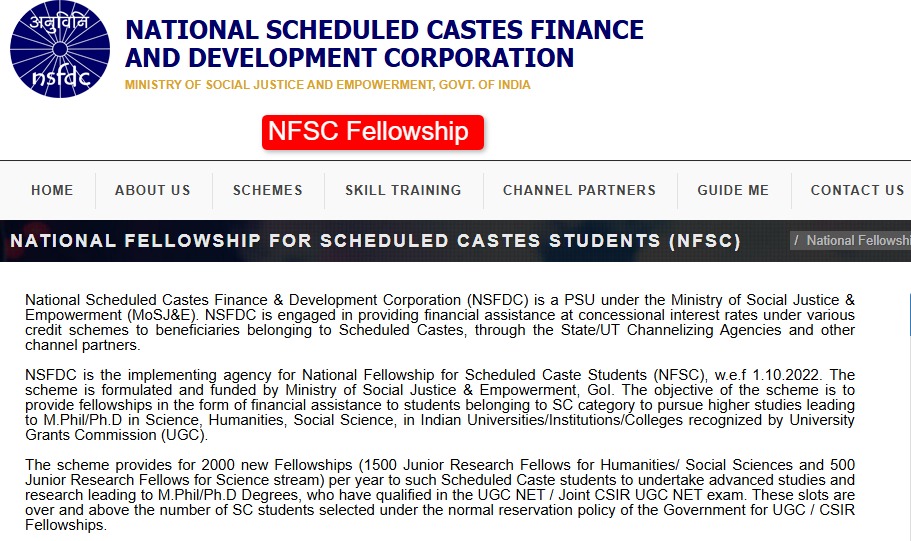
What Is NFSC Fellowship?
The NFSC Fellowship stands for National Fellowship for Science & Creativity (in most contexts — sometimes the full form changes a bit depending on country or institute, but the idea is same).
It’s a fellowship aimed at supporting:
-
PhD scholars
-
Postdoctoral researchers
-
Young scientists
Basically people who want to do original research, publish, work with mentors, and contribute to science in a serious way.
This fellowship gives you time, money, and credibility to do your research without too much worry about basic expenses.
📅 Key Dates for NFSC Fellowship 2026
Usually, the fellowship timeline follows the annual cycle, something like:
-
Application Start: January 2026
-
Last Date to Apply: March 2026 (mid or end — check official notification)
-
Result Announcement: June–July 2026
-
Fellowship Begins: September–October 2026
These dates can vary depending on the exact NFSC version (some institutes update mid-year), but this is generally how it works.
Important tip: Don’t wait till last week to apply. Portal traffic goes crazy and they close deadlines strictly.
✅ Eligibility Criteria (Who Can Apply)
Here’s what most NFSC Fellowships look for:
✔ Nationality
You must be a citizen of the country offering the fellowship (India, if it’s Indian NFSC).
✔ Educational Qualification
-
PhD scholars (registered or completed)
-
Postdoctoral researchers
Most fellowships want you to have a strong research base already.
✔ Research Proposal
You must submit a clear, well-written research proposal.
This is not essay. It’s a plan — what you want to study, why it matters, how you’ll do it, and what outcomes you expect.
✔ Experience
Not always mandatory, but if you have research publications or project work, it helps a lot.
💰 Fellowship Benefits (2026)
Different NFSC versions give slightly different benefits, but most include:
🧑🔬 Monthly Fellowship Stipend
-
A fixed monthly allowance to support living and research
-
Enough to focus on work without outside job stress
📚 Research Grant
-
Money to buy equipment, software, travel to conferences
-
Sometimes even funds for hiring research assistants
🗓️ Conference Support
-
Financial help to attend national and international conferences
-
Present papers, network, meet collaborators
📃 Credential
-
Having NFSC Fellow status boosts your CV
-
It shows you are recognized in your field
📝 Application Process – Step by Step
Let’s make this clear.
1️⃣ Check Official Website
Every NFSC version has an official portal. Always start there first.
Search for:
“NFSC Fellowship 2026 official notification”
2️⃣ Registration
You will register your profile with:
-
Email
-
Academic details
-
Contact information
3️⃣ Submit Research Proposal
This is the main part.
Your proposal should include:
-
Research title
-
Objective
-
Methodology
-
Expected outcomes
-
Timeline
Keep it crisp. Keep it real.
Often, reviewers read hundreds of proposals. If yours is vague, it doesn’t stand out.
4️⃣ Upload Documents
Commonly required:
-
CV / Resume
-
Proposal
-
PhD admission or degree proof
-
Publications list (if any)
-
Letters of recommendation
5️⃣ Wait for Shortlist
After submission, they shortlist based on quality.
Then sometimes there is:
-
Interview
-
Presentation
-
Final selection
Timeline varies.
🧠 What Reviewers Look For
They are not randomly picking. They look at:
✔ Strength of proposal
✔ Feasibility (Can you finish it?)
✔ Impact (Does it matter to science?)
✔ Your past research experience
✔ Clarity and logic of writing
So “good idea” alone is not enough. You must show you can actually execute it.
😕 Common Mistakes Applicants Make
-
Too many fancy words but no real plan
-
Weak methodology section
-
Not aligning goals with fellowship priorities
-
Late submission
-
Missing documents
These small things matter.
🧳 Tips for Success
-
Start early — give yourself 4–6 weeks
-
Talk to potential supervisors about your topic
-
Read previous winners’ projects
-
Keep proposal concise and clear
-
Proofread before submission
Small effort here saves big trouble later.
🤔 FAQs (Simple)
Is NFSC Fellowship paid?
Yes — it usually comes with monthly stipend + research support.
Can I apply if my PhD is not completed?
Depends on exact rules. Some allow “PhD registered” candidates; others want full PhD.
Is it a scholarship or a salary?
It’s a fellowship — think of it as support to do your research, not a job salary.
Can I use the money for travel?
Usually yes — if your proposal has travel component (conferences, field research).